Consumer Technology Trends That Are Changing Daily Life
Consumer Technology Trends That Are Changing Daily Life
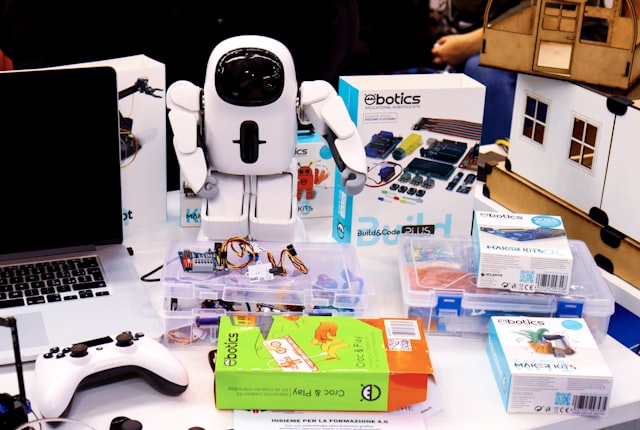
Business-minded look at consumer technology trends, smart home planning, and practical adoption choices that reduce operational drag and costly mistakes.
Consumer Technology Trends That Are Changing Daily Life
A broken device usually costs more than the device itself. It costs time, attention, and a string of small workarounds that pile up fast. That is why consumer technology is no longer a side issue for households or small businesses; it is part of daily continuity, staffing, and trust.
The current wave of consumer tech is not just about faster gadgets or prettier interfaces. It is about how people manage schedules, security, communication, energy use, and the handoff between home life and work life. When those systems are planned badly, the bill shows up later in repairs, duplicate subscriptions, missed alerts, and avoidable downtime.
For publishers covering business, technology, and smart home planning, the real story is not novelty. It is how practical adoption either reduces friction or creates expensive downstream problems. The trends changing daily life are the ones that quietly affect liability, compliance, and the amount of operational drag people are willing to live with before they finally fix it.
Why consumer tech decisions now behave like operations decisions
A lot of homes now run like small systems. Devices talk to each other, calendars sync across devices, and security tools trigger routines that affect everyone in the building. That means a bad purchase is rarely isolated. It can affect access, visibility, support costs, and even how reliably a household or home office functions under pressure. At that point, many teams begin comparing future technology updates based on how they actually perform day to day.
The shift is subtle. People used to buy technology as a product. Now they are buying into an ecosystem, and that ecosystem has rules. If one device fails to connect, or a platform stops supporting an older model, the inconvenience can spread into staffing issues, scheduling errors, or a loss of trust from everyone who depends on the setup. This is usually where buyers start looking at smart home changes more carefully in real-world conditions.
This is where poor planning becomes expensive. A cheap camera system that cannot store usable footage, a thermostat that does not integrate with the rest of the home, or a voice assistant that creates too many false triggers can look harmless at first. Later it becomes a recurring nuisance, then a replacement project, then a line item nobody wanted to revisit.
What to check before you buy into the trend
Before adopting new consumer technology, it helps to slow down and check whether the system will still make sense after the novelty wears off. The best purchases are not always the flashiest. They are the ones that keep working when routines change, staffing changes, or the house becomes more connected than originally planned.
Compatibility is not a nice-to-have:
If devices do not share the same app ecosystem, standards, or automation logic, the homeowner ends up doing the integration work manually. That sounds manageable until it becomes a daily habit. Compatibility affects setup time, troubleshooting, and how much support you need later.
A practical checkpoint is to ask three questions before buying: will it work with the devices already in place, will it still be supported in two or three years, and will someone else be able to understand it if you are unavailable? In business terms, that is continuity planning for the home.
Convenience has a hidden operating cost:
Many consumer tech products save time in one place and create work in another. A smart doorbell reduces uncertainty at the front door, but it can also add notifications, subscriptions, and attention fatigue. A connected appliance may improve efficiency while increasing dependence on software updates and vendor decisions.
The trade-off is real: the more connected the system, the more valuable the data and automation, but also the greater the exposure if settings are wrong or support fades. That is why planning matters more than impulse buying.
- Check whether the feature solves a real task or just looks modern.
- Estimate the recurring costs, not only the purchase price.
- Prefer systems that can still function in a basic mode during outages.
Buying for the showroom, not the routine:
The common mistake is choosing technology based on the five-minute demo instead of the 5 p.m. reality. A setup that looks impressive in a store can be irritating when the network is busy, the battery is low, or someone else needs to use it without guidance.
One bad decision can become expensive later. A family installs a low-cost smart lock without thinking through battery replacement, guest access, or compatibility with the rest of the home system. At first it seems fine. Months later, when a routine issue locks someone out or a support update breaks a feature, the fix is no longer about the lock. It is about reworking access, buying replacement hardware, and explaining why the “simple” solution disrupted the whole entry process.
A usable way to adopt technology without creating drag
The safest way to modernize is to treat each upgrade as part of a larger operating picture. That does not mean resisting change. It means making the change earn its place by reducing friction rather than adding another layer of maintenance.
- Map the routine first. Write down the tasks that happen every day or every week: locking doors, checking deliveries, adjusting temperature, managing calendars, or monitoring energy use. If a device does not make one of those routines simpler or more reliable, it is probably not essential.
- Test for failure conditions before scaling up. Ask what happens if Wi-Fi drops, an app is updated, a battery dies, or a service is discontinued. A system that works only when everything is perfect is not a system; it is a liability waiting for a bad day.
- Set a review date after installation. Revisit each connected device after 30 to 90 days and ask whether it still saves time, still fits the workflow, and still deserves its recurring costs. If the answer is vague, that is a warning sign, not a minor detail.
What this shift says about the way people live now
Consumer technology is changing daily life because daily life has become more networked, more scheduled, and less forgiving of waste. People want simpler routines, but they also expect more control, better security, and fewer surprises. Those demands push technology deeper into ordinary decisions that once felt purely domestic.
That is why smart home planning and business systems thinking overlap more than people expect. In both cases, the winning move is not maximum features. It is clarity: who uses the system, what breaks when it fails, and how much operational drag the organization or household can tolerate before it becomes a real problem.
Practical technology is the one people forget about
The most useful consumer technology tends to disappear into the background. It does its job, supports the routine, and does not demand constant attention. That is the real benchmark for adoption, whether the goal is better home security, smoother communication, or a more manageable smart home.
The trend that matters is not that people own more devices. It is that the best ones now shape how homes and small operations stay reliable under pressure. When choices are made with planning instead of impulse, the result is less waste, fewer interruptions, and a setup that can actually hold up over time.